


TL;DR Artificial turf can provide Western Pennsylvania homeowners with a green, low-maintenance outdoor space while reducing the need for mowing, watering, and regular lawn care. Proper site preparation, drainage, and installation are key to getting long-lasting results.
A green lawn can make a major difference to the appearance and usability of a property. But keeping natural grass looking its best can require regular mowing, watering, fertilizing, weed control, and seasonal maintenance.
For homeowners in Western Pennsylvania, artificial turf offers another option: a low-maintenance lawn surface designed to stay green throughout the year without many of the routine tasks associated with natural grass.
Whether you’re considering artificial turf for a backyard, side yard, play area, pet area, or another part of your property, understanding the installation process and what to expect can help you make an informed decision.
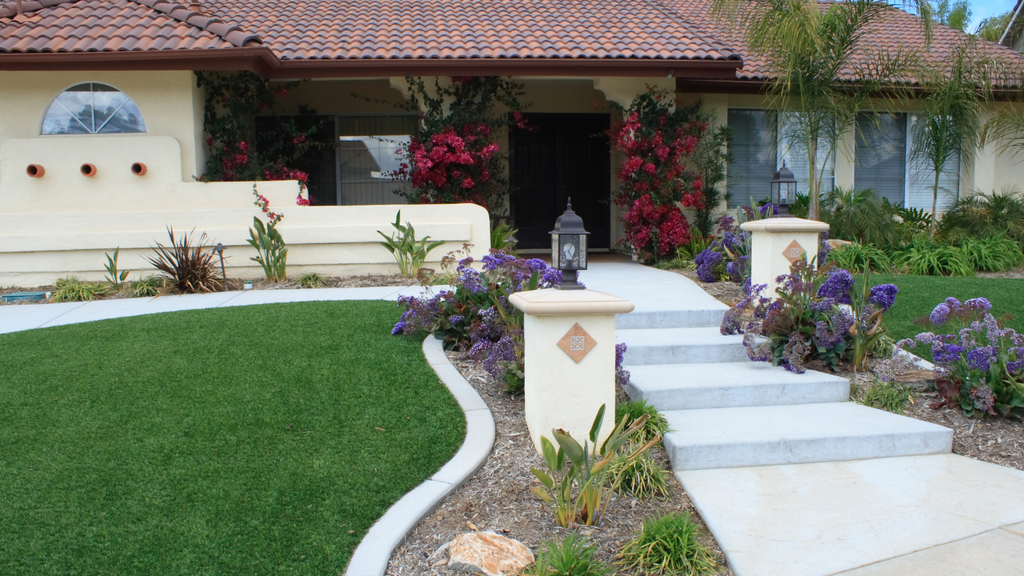
What Is Artificial Turf?
Artificial turf is a synthetic grass surface designed to replicate the appearance and feel of natural grass.
Modern turf products are made from synthetic fibers attached to a backing system. Underneath the turf, installers prepare a stable base that helps create a level, durable surface and allows for proper drainage.
Artificial turf can be used for:
- Residential lawns
- Pet areas
- Children’s play areas
- Side yards
- Pool surrounds
- Outdoor entertainment areas
- Areas where natural grass struggles to grow
The right turf product depends on how the space will be used.
Why Are Western Pennsylvania Homeowners Considering Artificial Turf?
Western Pennsylvania properties experience changing conditions throughout the year. Rain, snow, freezing temperatures, shade, and periods of heavy use can all affect natural grass.
Some areas may also have difficulty maintaining healthy grass because of:
- Heavy shade
- Poor soil conditions
- Drainage problems
- High foot traffic
- Sloped terrain
- Pet activity
- Areas underneath trees
Artificial turf can be particularly useful where maintaining natural grass is difficult or where homeowners want to reduce routine lawn maintenance.
How Does Artificial Turf Installation Work?
Professional artificial turf installation involves much more than simply rolling synthetic grass over an existing lawn.
A proper installation generally begins with preparing the site.
1. Site Assessment
The first step is evaluating the area where the turf will be installed.
An installer may look at:
- Existing grass and soil
- Drainage conditions
- Property slope
- Existing landscaping
- Access to the work area
- Expected foot traffic
- Intended use of the turf
This helps determine the appropriate preparation and installation approach.
2. Removing Existing Grass
If natural grass is currently present, it typically needs to be removed.
Depending on the site, this may involve removing existing vegetation and a portion of the underlying soil.
The goal is to create enough depth for the base materials while establishing the desired finished elevation.
3. Preparing the Base
Base preparation is one of the most important parts of an artificial turf installation.
A properly prepared aggregate base provides stability and helps create a consistent surface beneath the turf.
The material is installed and compacted to create a firm foundation.
If the base isn’t properly prepared, problems such as uneven areas, movement, or depressions can develop over time.
4. Addressing Drainage
Drainage should be considered before the turf is installed.
Artificial turf itself does not eliminate drainage problems. If an area already collects water, the underlying drainage conditions need to be addressed as part of the project.
Depending on the property, drainage improvements may include grading, appropriate base preparation, or additional drainage solutions.
5. Installing the Turf
Once the base is properly prepared, the artificial turf can be positioned over the area.
The turf is carefully measured and cut around:
- Buildings
- Garden beds
- Trees
- Walkways
- Fences
- Other landscape features
Multiple pieces may need to be joined together, with attention paid to seam placement and fiber direction.
6. Securing the Turf
The turf is then secured so it stays in position.
Edges and seams receive particular attention because movement in these areas can affect the appearance and performance of the finished installation.
7. Adding Infill
Depending on the turf product and application, an appropriate infill may be installed.
Infill can help support the synthetic grass fibers and contribute to the overall performance of the turf system.
Different turf applications can require different installation materials, so the product should be selected based on how the area will be used.
8. Final Grooming
The final stage involves grooming the turf and inspecting the completed installation.
The result should be a clean, consistent surface that is ready for everyday use.
How Much Maintenance Does Artificial Turf Need?
One of the biggest reasons homeowners consider artificial turf is reduced lawn maintenance.
Artificial turf doesn’t require mowing, and it doesn’t need the same regular watering and fertilizing routine as natural grass.
However, low maintenance does not mean no maintenance.
Homeowners may still need to:
- Remove leaves and debris
- Rinse the surface when necessary
- Remove weeds that appear around edges
- Clean pet waste areas
- Brush the turf periodically
- Inspect seams and edges
The amount of maintenance depends on the property’s use and surrounding environment.
Artificial Turf for Pet Areas
Artificial turf can also be used to create dedicated pet areas.
Pet-friendly installations need to take drainage and cleaning into consideration. A properly prepared surface can make it easier to keep the area clean and usable.
If pets will regularly use the turf, homeowners should discuss the appropriate turf, drainage, and maintenance requirements with their installer before choosing a product.
Artificial Turf vs. Natural Grass
Both artificial turf and natural grass have advantages and considerations.
| Feature | Artificial Turf | Natural Grass |
|---|---|---|
| Mowing | Not required | Required |
| Regular watering | Generally reduced | Often required |
| Fertilization | Not required like natural grass | Typically required |
| Green appearance | Consistent | Seasonal |
| Weed control | Limited | Regular maintenance |
| Installation | Professional installation recommended | Establishment can take time |
| Maintenance | Lower routine maintenance | Higher routine maintenance |
The right choice depends on the property, budget, appearance preferences, intended use, and willingness to perform ongoing lawn maintenance.
Is Artificial Turf Right for Your Property?
Artificial turf may be worth considering if you want a consistently green outdoor surface without regular mowing.
It can also be useful for areas where natural grass consistently struggles.
However, every property is different. Drainage, shade, soil conditions, grading, traffic, pets, and intended use should all be considered before installation.
A professional site assessment can help determine whether artificial turf is appropriate for your particular space.
Professional Artificial Turf Installation in Western Pennsylvania
Choosing the right turf product is only part of the process. Proper site preparation and installation can have a significant impact on the long-term appearance and performance of the finished surface.
GNT Landscaping provides artificial turf installation and landscaping services throughout Cranberry Township, Butler County, Allegheny County, Beaver County, and surrounding Western Pennsylvania communities.
Whether you’re looking to replace a difficult-to-maintain lawn, create a pet-friendly area, or improve an outdoor space, our team can evaluate your property and discuss potential solutions.
📞 Call GNT Landscaping at (724) 712-3619 for a free estimate.
Frequently Asked Questions
Does artificial turf need to be watered?
Artificial turf does not require regular watering to stay green. However, occasional rinsing can help remove dust, debris, or pet-related residue.
Can artificial turf be installed over existing grass?
Professional installations generally require the existing grass and unsuitable soil to be removed so the underlying surface can be properly prepared.
Does artificial turf require drainage?
Yes. Drainage remains important with artificial turf. Proper base preparation and site drainage help prevent standing water.
Can artificial turf be used for pets?
Yes. Artificial turf can be installed in pet areas, but the installation should account for drainage, cleaning, and the specific needs of the property.
How long does artificial turf last?
The lifespan of artificial turf varies depending on the product, installation quality, weather exposure, and amount of use. Choosing an appropriate product and having it professionally installed can help maximize its useful life.
Final Thoughts
Artificial turf can be an attractive alternative for homeowners who want a green, usable outdoor space with less routine lawn maintenance.
The most important part of the project isn’t simply choosing artificial grass — it’s making sure the site preparation, drainage, base, installation, seams, and finishing work are done properly.
If you’re considering artificial turf for your property in Western Pennsylvania, a professional evaluation can help you determine whether it’s the right solution for your space.
GNT Landscaping is proud to provide artificial turf installation and landscaping services across Cranberry Township, Butler County, Allegheny County, Beaver County, and surrounding areas.
📞 (724) 712-3619 — Contact us today for a free estimate.