


TL;DR Garden mulch does more than improve curb appeal. Proper mulching can help retain soil moisture, reduce weed growth, protect plant roots, reduce erosion, and give garden beds a clean, finished look. Choosing the right mulch and installing it at the proper depth is key to a healthy, attractive landscape.
A fresh layer of mulch can completely change the appearance of a garden. But garden mulch isn’t just about making flower beds look neat and polished.
When installed properly, mulch can help protect plant roots, retain soil moisture, reduce weed growth, regulate soil temperature, and improve the overall appearance of your landscape.
For homeowners in Western Pennsylvania, choosing the right mulch and installing it correctly can be especially important because gardens experience changing temperatures, rainfall, snow, and seasonal conditions throughout the year.
Whether you’re refreshing an existing garden bed or creating a new landscape, here’s what homeowners should know about garden mulching.
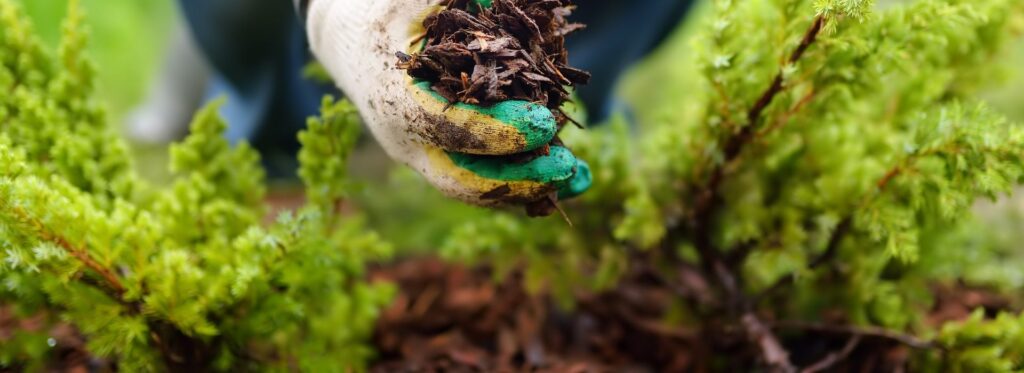
What Is Garden Mulch?
Garden mulch is a layer of material placed over the surface of soil around plants, trees, shrubs, and garden beds.
Mulch can be made from a variety of materials, including:
- Hardwood mulch
- Shredded bark
- Wood chips
- Pine bark
- Dyed wood mulch
- Compost
- Straw
- Stone or gravel
Different mulch materials have different appearances, characteristics, and maintenance requirements.
The right choice depends on the type of garden, plants, drainage conditions, desired appearance, and homeowner preferences.
Why Is Mulching Important for Your Garden?
Mulch does much more than make a garden bed look finished.
1. Helps Retain Soil Moisture
Mulch can reduce evaporation from the soil surface.
This can help soil retain moisture for longer periods, particularly during warmer or drier weather.
For homeowners, that can mean less frequent watering depending on the plants, soil, and weather conditions.
2. Helps Reduce Weed Growth
A properly installed layer of mulch can make it more difficult for many weed seeds to germinate and grow.
Mulch doesn’t eliminate weeds completely, but it can reduce weed pressure when combined with proper garden maintenance.
3. Protects Plant Roots
Mulch acts as an insulating layer over the soil.
It can help moderate soil temperature by reducing the effect of rapid temperature changes.
This can be particularly useful in regions such as Western Pennsylvania, where temperatures can change significantly between seasons.
4. Improves the Appearance of Garden Beds
One of the most noticeable benefits of fresh mulch is the visual transformation.
A clean layer of mulch can:
- Define garden beds
- Make plants stand out
- Cover exposed soil
- Create a cleaner landscape appearance
- Give the property a more finished look
For many homeowners, mulching is one of the simplest ways to refresh the appearance of their landscape.
5. Helps Reduce Soil Erosion
Heavy rainfall can wash away exposed soil, particularly on sloped properties.
Mulch can help protect the soil surface from the direct impact of rainfall and reduce soil movement in certain areas.
However, serious drainage or erosion problems may require additional landscaping or drainage solutions.
How Much Mulch Should You Use?
More mulch isn’t necessarily better.
A common mistake is applying an excessively thick layer around plants and trees.
Too much mulch can restrict airflow around the soil and create conditions that can contribute to plant problems.
For many garden beds, a moderate layer is sufficient. The exact depth depends on the mulch material, landscape conditions, and plants being protected.
Mulch should also be kept away from direct contact with plant stems and tree trunks.
What Is Mulch Volcanization?
You’ve probably seen trees surrounded by large piles of mulch that look like a volcano.
This practice is often called mulch volcanization.
Instead of spreading mulch evenly across the surrounding soil, mulch is piled high against the trunk of the tree.
This is not recommended.
Excessive mulch against tree trunks can create excessive moisture around the bark and potentially contribute to problems with the tree.
A properly installed mulch bed should have an even layer with appropriate clearance around tree trunks and plant stems.
Which Type of Mulch Is Best?
There isn’t one mulch that is perfect for every property.
Hardwood Mulch
Hardwood mulch is a popular choice for residential landscapes because it provides a natural appearance and works well in many garden beds.
Shredded Bark
Shredded bark provides a natural look and can be particularly attractive around shrubs, trees, and ornamental gardens.
Wood Chips
Wood chips can provide a more textured appearance and may be useful in larger landscape areas.
Dyed Mulch
Dyed mulch is available in several colors and can create a more defined contrast between plants and surrounding landscape areas.
The best choice depends on the look you’re trying to achieve and the requirements of the landscape.
How Often Should You Replace Garden Mulch?
Mulch doesn’t necessarily need to be completely removed and replaced every year.
Over time, organic mulch breaks down and becomes incorporated into the soil.
Homeowners may need to add fresh mulch periodically to maintain the desired depth and appearance.
The timing depends on:
- Type of mulch
- Weather exposure
- Amount of rainfall
- Sun exposure
- Existing mulch depth
- Garden conditions
Before adding new mulch, it’s a good idea to evaluate how much existing material is already present.
When Is the Best Time to Mulch in Western Pennsylvania?
Spring is a popular time for garden mulching because homeowners are preparing their landscapes for the growing season.
However, mulch can be installed or refreshed at other times of the year depending on the landscape and project.
Fall can also be a useful time to refresh garden beds and prepare the landscape for winter.
The most important consideration is making sure the soil and garden conditions are appropriate before installation.
Professional Garden Mulching in Cranberry Township and Western Pennsylvania
Installing mulch may seem like a simple landscaping task, but proper preparation and application can make a noticeable difference.
At GNT Landscaping, we help homeowners create clean, attractive, and functional garden beds throughout Cranberry Township, Butler County, Allegheny County, Beaver County, Lawrence County and surrounding Western Pennsylvania communities.
Our landscaping services can include:
- Garden mulching
- Landscape design
- Planting
- Garden bed maintenance
- Artificial turf installation
- Landscape lighting
- French drains
- Hardscaping
- Stone steps
- Lawn and landscape maintenance
Whether you’re looking to refresh an existing garden bed or completely transform your landscape, proper planning and installation can help create a finished look that complements your property.
📞 Call GNT Landscaping at (724) 712-3619 for a free estimate.
Frequently Asked Questions About Garden Mulching
Does mulch prevent weeds completely?
No. Mulch can help reduce weed growth, but it does not completely eliminate weeds. Proper installation and ongoing garden maintenance are still important.
Can you put new mulch over old mulch?
Yes, depending on the existing depth and condition. Adding a thin layer of fresh mulch can refresh the appearance without unnecessarily building up the total mulch depth.
Should mulch touch tree trunks?
No. Mulch should not be piled directly against tree trunks. Maintaining appropriate clearance helps keep the base of the tree dry and healthy.
Does mulch help plants grow?
Mulch can create favorable soil conditions by helping retain moisture, moderate soil temperatures, and reduce competition from weeds. However, plant growth also depends on soil quality, sunlight, water, nutrients, and the specific plant.
Does mulch help with drainage?
Mulch can help protect the soil surface from rainfall and may reduce erosion, but it is not a substitute for a properly designed drainage system. Properties with persistent standing water may require a dedicated drainage solution.
Give Your Garden a Fresh Look
A garden doesn’t always need a complete redesign to look dramatically different.
Sometimes, fresh mulch, clean garden edges, healthy plants, and thoughtful landscaping are enough to give an outdoor space a completely refreshed appearance.
With the right material, proper depth, and professional installation, garden mulch can provide both aesthetic and practical benefits for your landscape.
If your garden beds are looking tired, weeds are becoming difficult to manage, or you’re simply ready for a landscape refresh, GNT Landscaping can help.
📞 Call (724) 712-3619 for a free estimate.
Serving Cranberry Township, Butler County, Allegheny County, Beaver County, Lawrence County and surrounding Western Pennsylvania areas.